
Security Insights
Deep dives, expert analysis, and practical guidance on exposure management, adversarial validation, and the future of AI-driven exposure management.
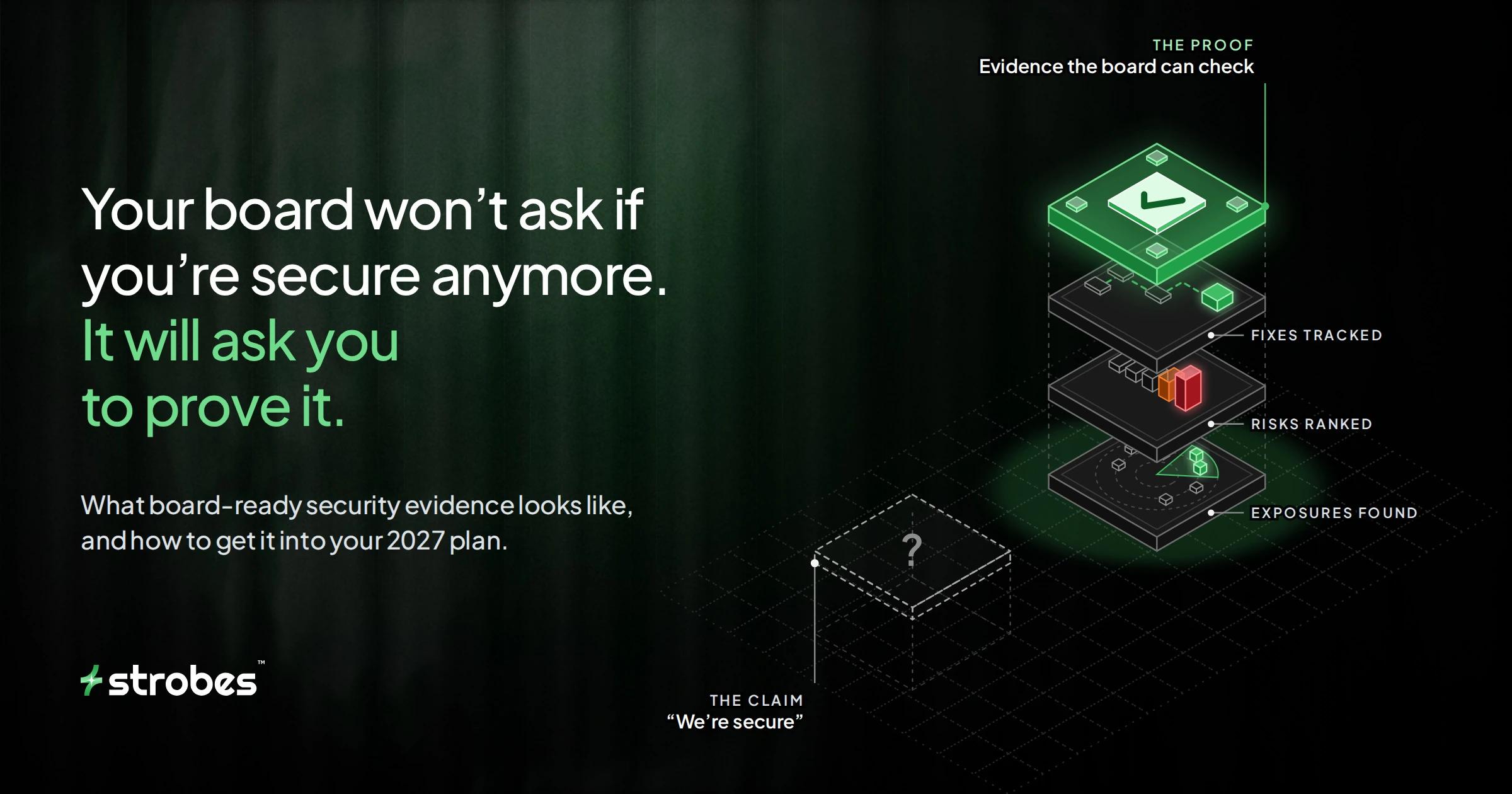
Your board won't ask if you're secure anymore. It will ask you to prove it.
Boards now ask for evidence that cyber risk is within appetite. What board-ready security evidence looks like, how to govern autonomous testing, and how to get it into your 2027 plan.
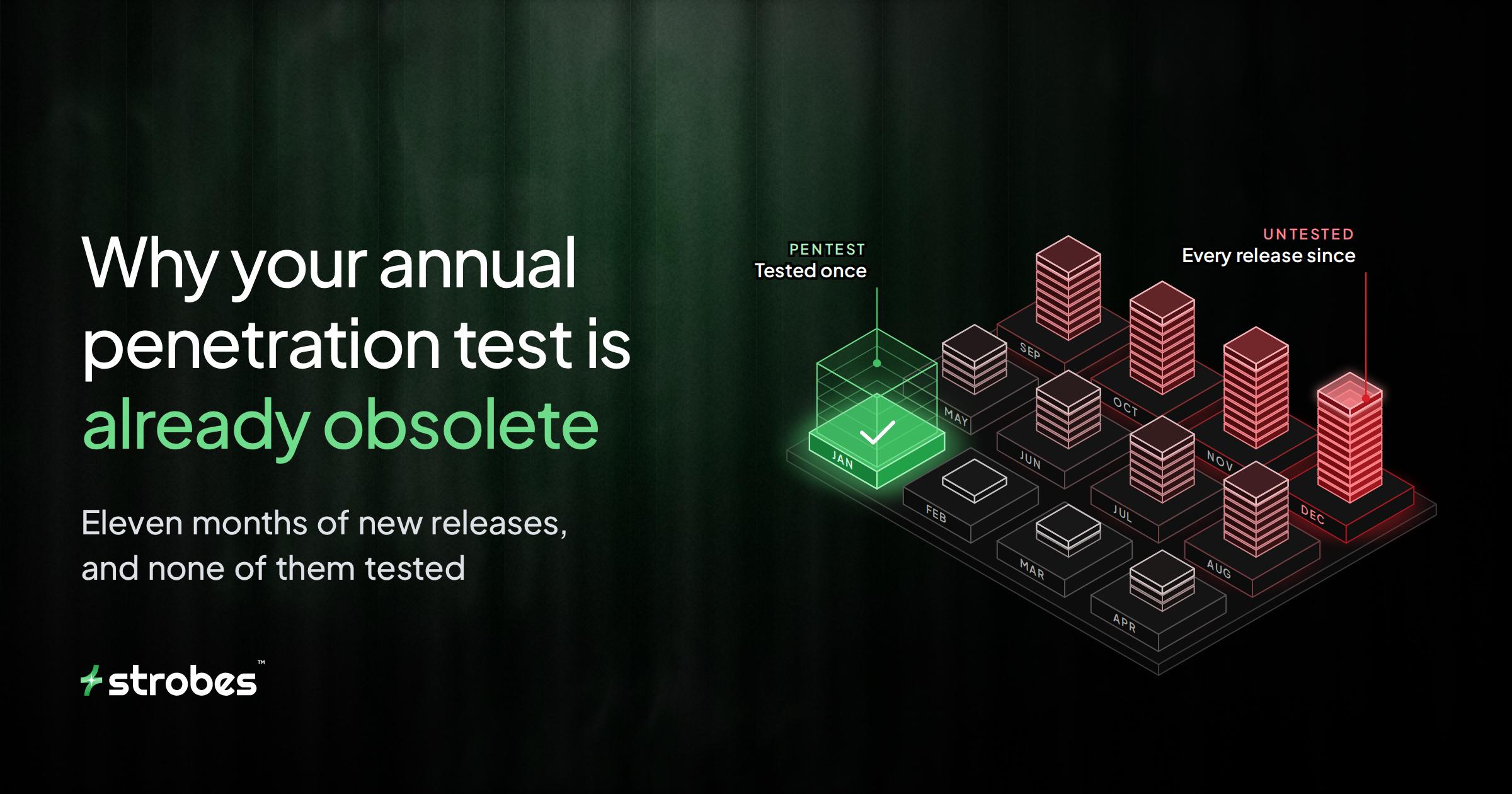
Why your annual penetration test is already obsolete
Your annual pentest describes an environment that no longer exists. Here is how continuous offensive security testing closes the gap, and what it takes to run one.
Are security practitioners actually ready for autonomous pentesting?
We asked 50+ security leaders one open question about autonomous pentesting. Here is the readiness spectrum that came back, and what vendors get wrong.
How Agentic Pentesting Separates Test Failures From Real Security Findings
Agentic pentesting reliability on unstable apps: a six-state failure taxonomy, safe retry rules, and what a trustworthy pentest report must disclose.
Pentesting In-House vs. Outsourcing: Cost, Coverage, and the Third Option
Compare in-house vs outsourced pentesting on cost, coverage, and depth. Discover why AI pentesting is the third option that changes the math for security teams.
DAST vs. Pentesting vs. AI Pentesting: What Each One Actually Finds
Compare DAST, manual pentesting, and AI pentesting. Learn what each approach finds, misses, costs, and when to use each for full application security coverage.

Pentesting Microservices Architecture: Why Traditional Methods Fall Short
Why traditional pentesting misses 90% of microservices attack surface. Learn how to test East-West traffic, service mesh, and Kubernetes security at scale.

What Is Agentic Pentesting? The Complete Guide for Security Teams (2026)
Agentic pentesting uses specialized AI agents to test your entire attack surface in hours, not weeks. Here is how it works, what surfaces it covers, how safety is enforced, and how to evaluate platforms with real benchmarks.

HIPAA Penetration Testing Requirements
HIPAA never says "penetration test," but the Security Rule's risk analysis and its REQUIRED evaluation standard expect technical testing of every system touching ePHI. Here is the precise read.

What is Continuous Penetration Testing? An Ultimate Guide
Continuous penetration testing is a modern security approach that performs real-time or near-real-time simulations of cyberattacks against an organization’s digital assets, ensuring vulnerabilities are identified and addressed as they emerge. Unlike traditional penetration testing, which provides on

Mobile SDK Security Testing Methodology
A third-party SDK runs inside your process with your permissions and your identity. This methodology shows how to isolate it, hook its exact classes with Frida, and prove what data actually leaves the device.

Pentesting vs PTaaS vs Automated Pentesting
Security testing today isn’t just about finding vulnerabilities, it’s about how fast you find them, how quickly you fix them, and how confidently you prove risk reduction. And that’s where most teams hit a wall. Pentesting vs PTaaS vs Automated Pentesting - three models that promise security assuran